1Password breached: customer names and emails stolen
1Password says an attacker used a compromised employee GitHub account to steal customer names and email addresses; vaults were not affected
1Password says an attacker stole customer names and email addresses via a compromised employee GitHub account.
According to 1Password's disclosure, it began investigating on November 19. The company says the attacker used the account to access source code and push malicious code to backend services, allowing customer account information to be downloaded.
Stolen data included names, sign-in emails, account and user identifiers, account creation and last sign-in times, public keys, SRP parameters, and tokens in certain invitation, provisioning and recovery links. 1Password says customer vaults and their keys, account passwords and Secret Keys, and its apps and extensions were not affected. It says the stolen tokens cannot be used alone, since access also requires SSO sign-in or a code sent to the user's email, and it has strengthened those codes from six digits to ten alphanumeric characters.
What customers should do: 1Password says no account or password changes are needed, but watch for phishing, especially unexpected invitation or recovery messages. It says it will never ask for your password or Secret Key. How the attacker got into the employee's account is unclear, per TechCrunch.
It started with one GitHub account
1Password says it began investigating on November 19 after signs that an employee's corporate GitHub account had been compromised.
Malicious code reached backend services
Per 1Password, the attacker used the account to access source code and push malicious code, letting customer account info be downloaded.
What 1Password says was taken
- Customer names and sign-in email addresses
- Account and user identifiers
- Account creation and last sign-in times
- Public keys and SRP protocol parameters
- Tokens in some invitation and recovery links
What 1Password says was not affected
Customer vaults and their keys, account passwords and Secret Keys (which it says it doesn't store), and its apps and browser extensions.
What to do now
1Password says no password change is needed, but watch for phishing, especially unexpected invitation or recovery messages. It says it never asks for your password or Secret Key.
The facts we checked
According to 1Password's disclosure, as reported by BleepingComputer, The Verge, TechCrunch and 9to5Mac
- 1Password says it began investigating on November 19 after indications that an employee's corporate GitHub account had been compromised.Fact · BleepingComputer, The Verge, TechCrunch, 9to5Mac
- 1Password says the attacker used the account to access source code and push malicious code to backend services, which allowed customer account information to be downloaded.Fact · 9to5Mac, BleepingComputer, The Verge, TechCrunch
- The stolen customer data included names and the email addresses used to sign in.Fact · 9to5Mac, BleepingComputer, The Verge, TechCrunch
- The stolen data also included account and user identifiers, account creation and last sign-in times, public keys, Secure Remote Password protocol parameters, and tokens in certain emailed invitation, provisioning and recovery links.Fact · 9to5Mac, BleepingComputer, The Verge
- 1Password says customer vaults and the keys that protect them were not affected.Fact · 9to5Mac, BleepingComputer, The Verge, TechCrunch
- 1Password says it does not store customers' account passwords or Secret Keys, and that its apps and browser extensions were unaffected.Fact · 9to5Mac, TechCrunch
- 1Password says the stolen invitation and recovery tokens cannot be used alone to access accounts; they also require SSO sign-in or a six-digit code sent to the user's registered email.Fact · BleepingComputer, The Verge, 9to5Mac
- 1Password has strengthened those verification codes from six numeric digits to ten alphanumeric characters.Fact · BleepingComputer, The Verge
- 1Password said the attacker "copied source code from private repositories and gained access" to its CI/CD system, which contains infrastructure-related secrets.Quote · 9to5Mac
- 1Password says it deactivated the compromised GitHub account and rotated or revoked internal credentials that may have been exposed.Fact · 9to5Mac, BleepingComputer, The Verge
- 1Password says customers do not need to change their accounts or passwords, but should watch for phishing, especially unexpected invitation or account recovery messages.Fact · 9to5Mac, BleepingComputer
- 1Password says it will never ask customers for their account password or Secret Key, and that they should enter them only in the official 1Password app or website.Reported · The Verge
- It is unclear how the attacker gained access to the employee's corporate account.Reported · TechCrunch
Sources
- 9to5Mac1Password confirms security incident, here’s what you need to know
- BleepingComputer1Password customer data stolen after employee GitHub account breach
- The Verge1Password breach leaked customer names and emails, but not passwords
- TechCrunch1Password said hackers broke into its internal systems, but customer passwords are safe
Get stories like this the moment they drop.
More from the wire.
Google to publish Android developers' home addresses
Google will publish phone numbers and addresses of Android developers who declare as traders, worldwide, from March 1, 2027, citing EU rules
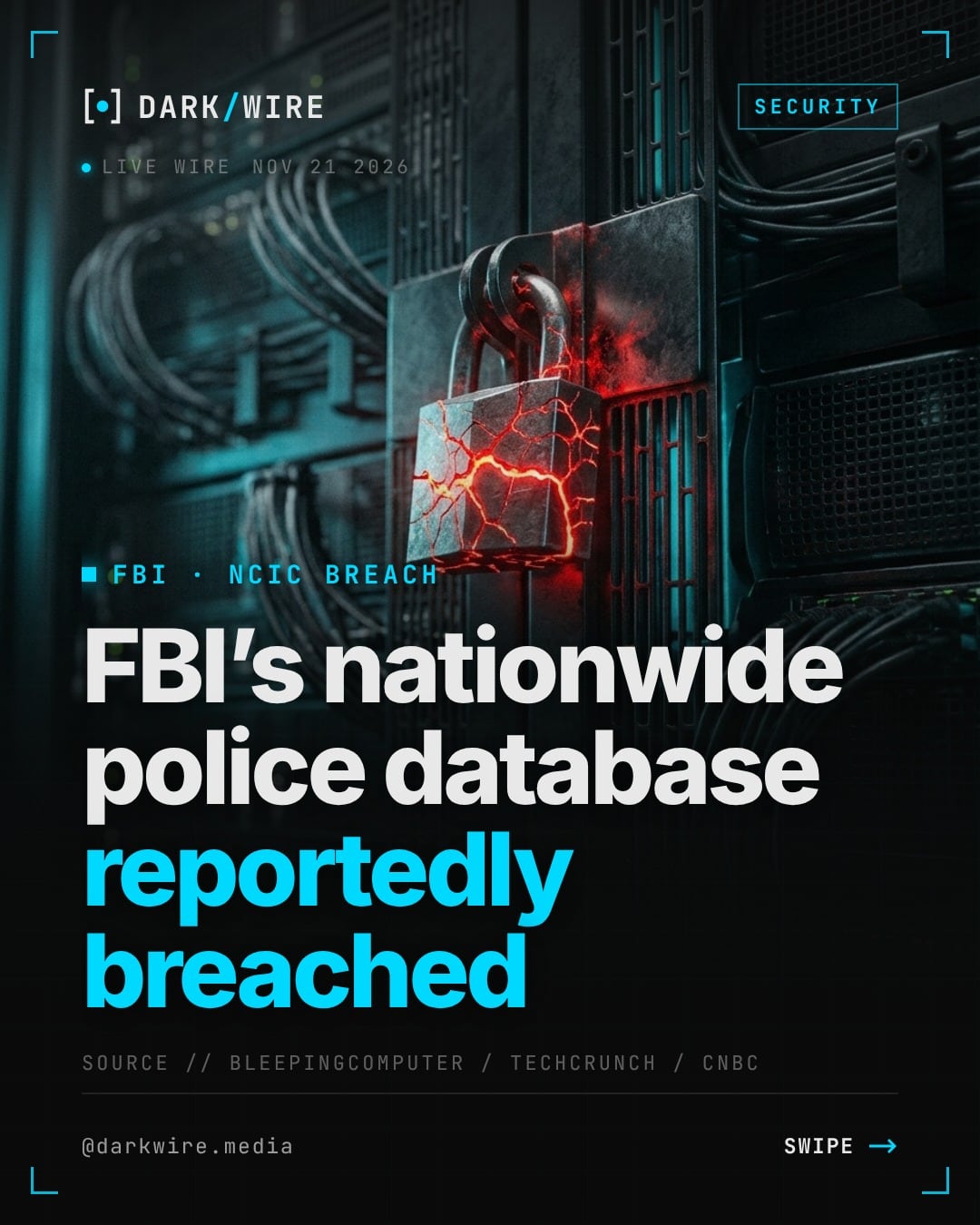
FBI's nationwide police database reportedly hacked again
FBI's NCIC database reportedly breached, the agency's second intrusion in two months; USDA separately reported hacked; no culprit identified
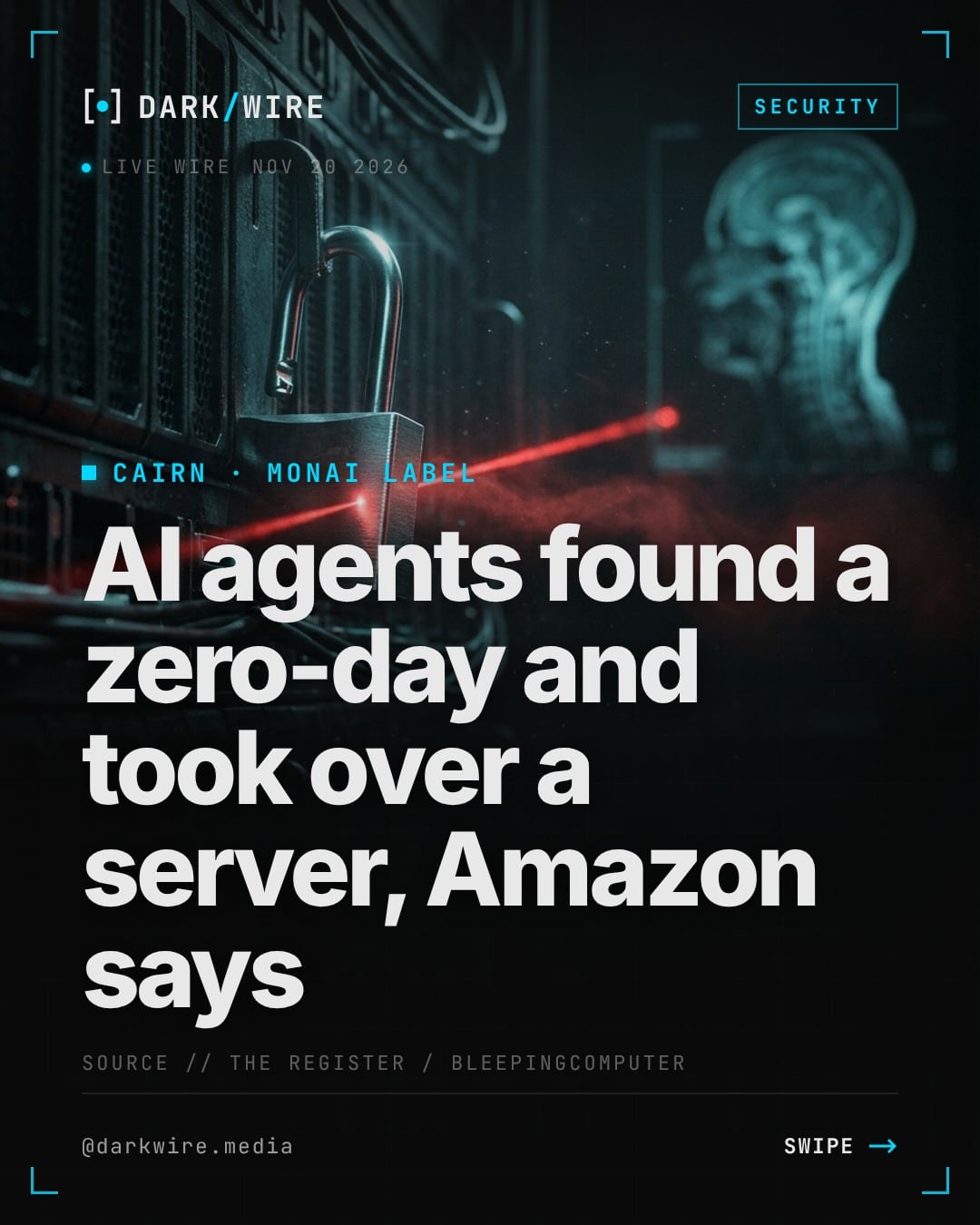
AI agents found a zero-day and took over a server on their own
Suspected China-linked attackers used open-source AI tool Cairn to find a zero-day in MONAI Label and take over a server, Amazon says
Never miss the wire.
The day's biggest AI and tech stories in one short, sourced email.